


Common Mistakes First-Time Island Visitors Make in Peak Season
Most first trips to an island go wrong in small, avoidable ways. Nothing dramatic — you simply spend the week doing admin with a sea view. A ferry you didn't realise needed booking for the car. A bus that stopped running at six. A downpour on the one day you had planned for the beach.
Islands compress everything. Fewer roads, fewer beds, fewer sailings, fewer places to eat. That is part of the charm, and it is also why the margin for error is thinner than on the mainland. Get the basics right before you travel and the rest of the week tends to look after itself.
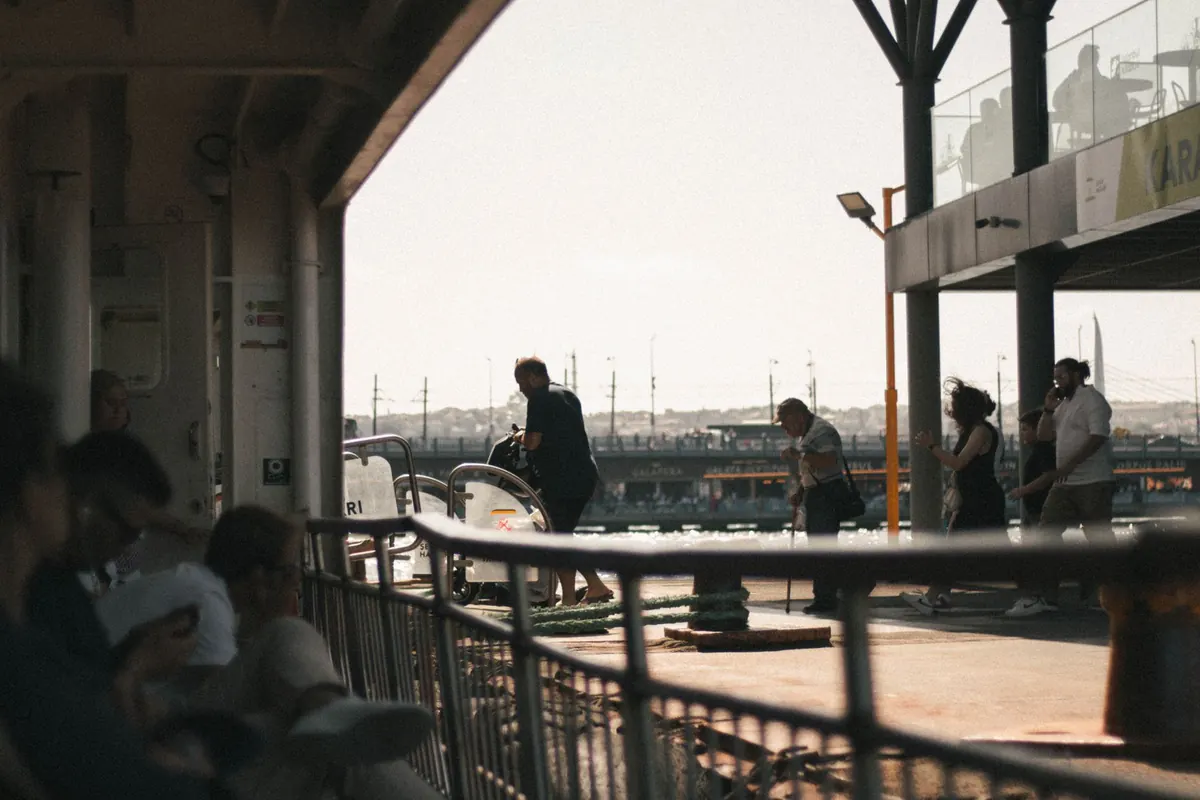
Book the crossing and the bed together
The classic first-timer mistake is booking the accommodation first, then discovering the only car spaces left on the ferry are at an awkward hour, or that the sailing you need is already full for the summer weekend you want. Treat the two as a single decision.
In peak season, car spaces go first. Foot passengers usually have more flexibility, but popular weekend sailings still fill up, and the last crossing of the day is often the first to go. If your plans allow it, travelling midweek in both directions gives you far more choice and a calmer start.
Things worth checking before you pay
- Whether your crossing is tide-dependent, and what the alternative sailings are if it is cancelled.
- Check-in windows — some operators want cars there well before departure, and turning up late means missing the boat.
- Changeover days on holiday lets, which are often fixed to a particular day of the week.
- Minimum stays in peak weeks, and whether a short break is even possible.
- Arrival time versus shop closing time, if you are self-catering and need food on the first night.
Assuming a car solves everything
Cars are useful on larger islands and a liability on smaller ones. Ferry space is limited and pricier in summer, some lanes are genuinely single-track, and beach car parks fill by mid-morning. On a compact island, a bike, the bus and your own two feet will often get you there faster and with less stress.
Public transport on islands runs for residents first and visitors second. Timetables can thin out sharply in the evening, Sunday services may be sparse or non-existent, and some routes stop altogether outside the school term. Check the actual timetable for the dates you are travelling rather than assuming a summer service.
Driving on single-track roads
Learn the passing-place rule before you arrive: pull into the nearest one on your side, let the other vehicle through, and acknowledge the driver with a brief wave. Never park in a passing place, not even for a photograph, and never reverse into one to let someone past when you could simply wait.
Book any hire car, taxi or bike well ahead. Small islands have small fleets, and by July the answer is often "nothing left".
Underestimating the weather
Island weather changes faster than forecast, and sea fog can swallow a sunny afternoon in half an hour. Wind is the bigger issue: it makes a mild day feel cold on an exposed headland and can cancel boat trips at short notice.
Pack layers rather than one heavy coat, plus a genuinely waterproof outer layer. Keep one indoor or weather-proof option in mind for each day — a museum, a distillery tour, a long lunch — so a washed-out morning doesn't derail the whole plan.
Sun catches people out too. Water reflects light, so you burn faster than you expect, particularly on a boat or on the beach. Take a hat, shade and high-factor suncream, and reapply through the day.
If you plan to swim in the sea, do it where others do, check tide and current advice locally, and never swim alone in unfamiliar water. Cold water is genuinely dangerous regardless of how warm the air feels. For anything health-related, speak to a pharmacist, your GP or the local coastguard rather than relying on guesswork.
Packing as though you were on the mainland
Island shops are smaller than you think, close earlier than you expect, and may run reduced hours on Sundays. If you arrive on an evening sailing with hungry children and an empty fridge, that is a problem you can fix in advance by ordering a grocery delivery or picking up essentials before you board.
Bring what you genuinely can't do without: prescription medication in its original packaging with enough to cover delays, spare glasses or contact lenses, chargers and any adaptor you need. If you rely on regular medication, check with your pharmacist or GP about travelling with it and how to manage a delayed return.
- Download offline maps, ferry timetables and your booking confirmations before you travel — signal is patchy in many coastal spots.
- Carry a little cash as well as a card; some places are card-only, others cash-only, and ATMs can be thin on the ground.
- Take a refillable water bottle and a bag for rubbish, since bins near beaches fill quickly in August.
Forgetting that an island is somebody's home
Peak season brings a lot of people through small communities, and the habits that feel harmless in a resort town land differently here. Don't park across a gate or driveway, close any gate you open, keep dogs on leads around livestock and ground-nesting birds, and take your litter home if the bins are full.
Ask before photographing people, keep noise down in the evening — sound carries across water — and check the rules on wild camping rather than assuming it is tolerated. Recycling arrangements vary too, so read the instructions in your accommodation instead of guessing.
Over-scheduling, then racing for the boat
Distances on a map are misleading. Island roads are slow, ferries eat hours rather than minutes, and a five-mile drive can take half an hour behind a tractor. One substantial outing a day, plus a beach or a walk, is a realistic rhythm.
Book popular restaurants and attractions ahead, and book taxis if you will need one on a busy evening. On your final day, build in a generous buffer before check-in; being stuck in a queue for a ferry you can see but cannot board is a miserable way to end a holiday. If your plans are tight and the crossing matters, take the earlier sailing.
A five-minute check before you go
Confirm your ferry times and check-in windows, and note the backup sailings. Check the bus timetable for the actual dates, not the summer headline. Pre-book anything you would be upset to miss. Pack layers, waterproofs and sun protection. Carry medication, a bit of cash and downloaded maps. And plan one thing a day rather than five.
Do that, and peak season stops feeling like a logistics exercise. You get the long evenings, the empty early-morning beach and the pint in the pub that took no effort at all.
Photo: Serdar Göksu / Pexels