


Island Folk Festivals Explained: Traditions, Dates and Local Customs
Ask anyone who has spent a winter on a small island what the year really revolves around and they will not mention bank holidays. They will talk about the night the torches come out, the morning the boats are blessed, the afternoon somebody finally wins the ba'. Island folk festivals are rarely staged for visitors. They grew out of farming, fishing, faith and weather, and they survived because the same families turned up year after year.
That is precisely what makes them worth attending — and precisely why it pays to learn the rules before you turn up.
What actually counts as a folk festival
The word "folk" gets used loosely. On islands it usually means one of three things: a calendar custom tied to a date (Tynwald Day, Hop-tu-Naa, Liberation Day), a community gathering tied to work (harvest, the herring, the first boat out), or a revived tradition that a village committee brought back because it had died out.
That last category matters. Plenty of what looks ancient is not. Shetland's Up Helly Aa began in the nineteenth century and took its Norse costume, squads and burning galley from Victorian romanticism rather than the sagas. It is no less genuine for that. Revivals are how small communities keep a hold on their own story, and they deserve the same respect as anything older.
The main kinds, and what to expect
- Fire festivals. Torchlit processions, bonfires and burning effigies, usually in the darkest weeks of winter. Lerwick's Up Helly Aa falls on the last Tuesday of January, with smaller country versions across Shetland on other nights. Expect crowds, smoke, heat, and a great deal of standing around in the cold.
- Calendar and saint's days. Fixed dates with formal ceremony. Tynwald Day on 5 July at St John's on the Isle of Man is an open-air parliament with laws read in Manx and English. Guernsey's Liberation Day on 9 May is a public holiday of parades and family parties. Hop-tu-Naa on 31 October sees Manx children carrying turnip lanterns and singing for treats.
- Harvest and sea. Blessings of the fleet, harvest suppers and Lammas gatherings. Often short, often followed by a meal in a hall, and usually the least tourist-facing of the lot.
- Music, song and language. Ceilidhs, eisteddfodau, Gaelic mòds and plygain carol services, where unaccompanied parties sing in close harmony. These are participatory rather than spectatorial: the singing is the point, not the audience.
- Carnival and procession. Summer floats and marching bands, strong on the Isle of Wight and in many Channel Island parishes. Family-friendly, busy, and the easiest entry point if you are new to island life.
Dates: what is fixed and what drifts
Some dates do not move. Tynwald Day is 5 July. Liberation Day is 9 May. Hop-tu-Naa is 31 October. Turn up on the day and something will be happening.
Most others shift. Up Helly Aa follows the last Tuesday in January. Kirkwall's Ba', played between the men of the town, is on Christmas Day and New Year's Day. Anything tied to Easter, the harvest or a spring tide moves with the calendar, and many committees quietly re-schedule to the nearest Saturday so that people can attend without taking leave.
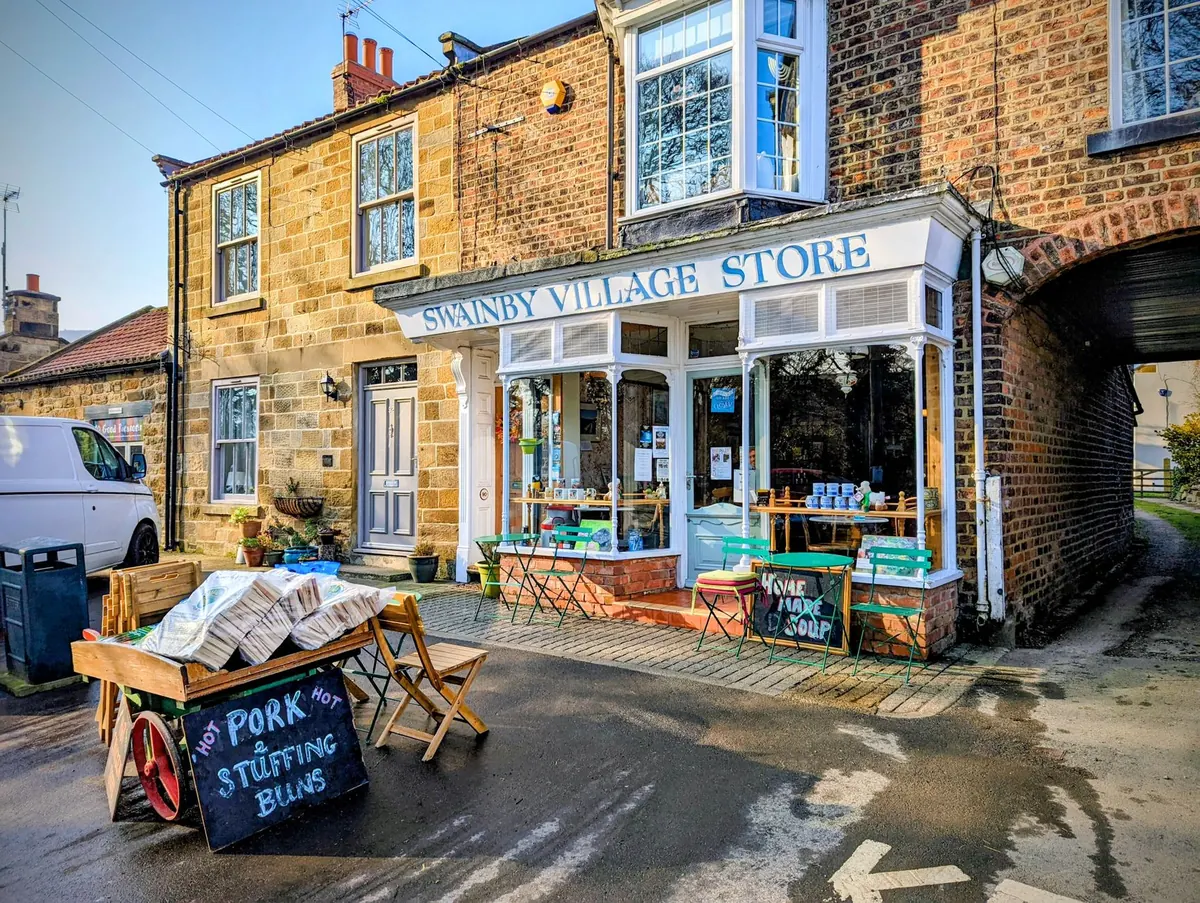
So do not trust a date you found on a tourism page written three years ago. Check the local paper, the community Facebook group, the shop window and the church or hall noticeboard. On smaller islands, the printed programme still beats the internet, and the person behind the counter in the village shop will know more than any website.
Etiquette: how to join in respectfully
Islanders are generally delighted that you came. What wears thin is visitors treating a living tradition as a backdrop. A few habits will carry you a long way.
- Buy the programme, the ticket or the raffle strip. That money pays for the torches, the hall hire and the insurance. It is the simplest way to contribute.
- Ask before you photograph. Especially children, and especially anyone in costume. Some ceremonies are explicitly not for filming, and a phone held up in the middle of a solemn moment will be remembered.
- Keep your hands to yourself. Do not touch a costume, a helmet, a torch or a stranger's cup. Do not walk through a squad or a procession to get a better angle.
- Follow the marshals. If someone in a high-vis vest tells you to stand back, stand back. They are not being officious; they are managing fire, traffic and a single-track road.
- Learn two words of the local language. Manx, Gaelic, Welsh, Jèrriais or Guernsey French. Using them badly and cheerfully is almost always received better than not trying.
- Do not import your own tradition. No fireworks, no sky lanterns, no drones. If a custom involves bringing coal, shortbread or a bottle for the first person over the threshold after midnight, let a local do it.
Dressing for a fire festival
Wool and cotton, not synthetics. A synthetic jacket will melt if a spark lands on it. Wear something you do not mind smelling of smoke, keep your hood down so you can hear instructions, and bring a torch for the walk back to the car.
Money, food and the quiet economics
Island festivals are usually run on a shoestring by volunteers. A hall supper, a beer tent, a cake stall and a raffle are not extras; they are the funding. Spend something, even if you have already eaten. Carry cash, because rural signal and card machines both fail at the worst moment.
If you are offered a dram in someone's house, take the small one, thank them properly, and leave before the family wants its kitchen back. Hospitality on islands is generous and not unlimited.
Before you go: a short practical checklist
- Confirm the date and time locally, not online.
- Book ferry and accommodation early; festival weekends fill the whole island.
- Build slack into your travel. Island ferries and flights are cancelled for weather, and the last sailing waits for nobody.
- Check whether the event is public. A procession may be open while the visits afterwards are not.
- Ask about access if you have mobility needs; village halls and cliff paths vary enormously.
- Take your litter home, park where you are told, and leave the verges alone.
Turn up curious, spend a little, stand where you are asked, and you will be welcomed back next year. That is how these things have always worked.
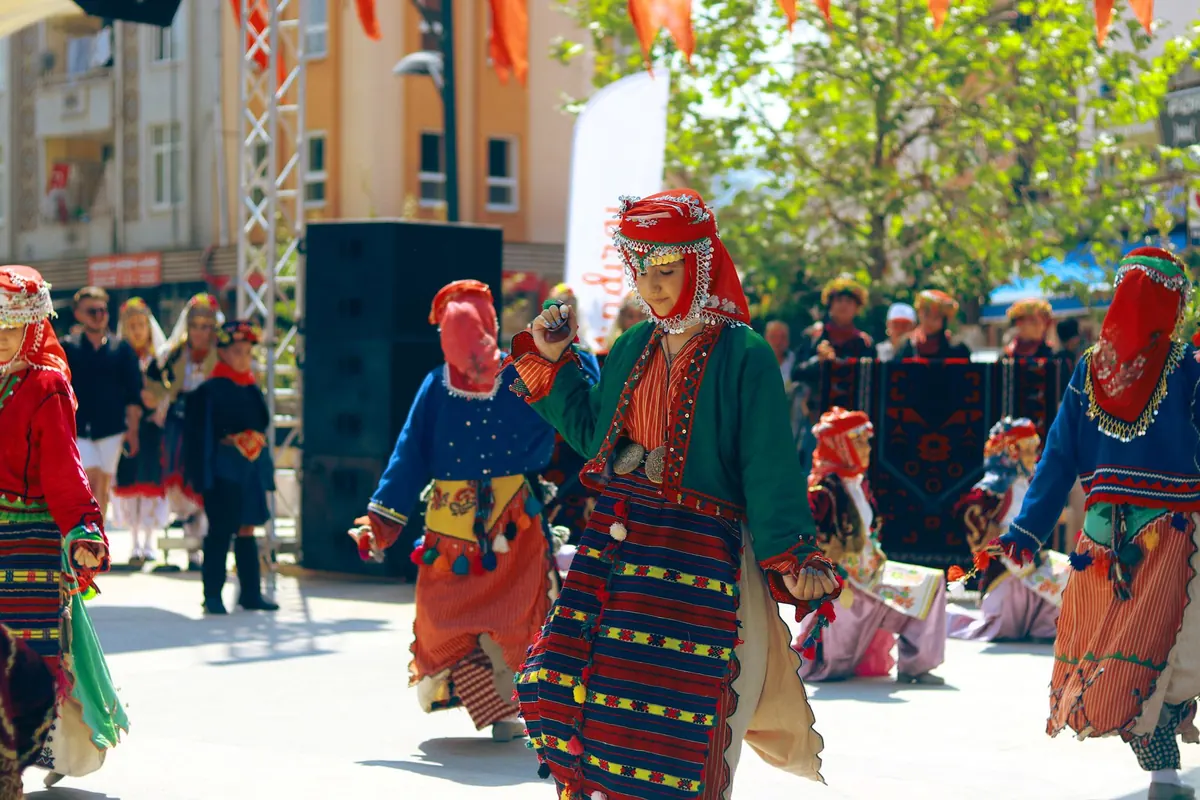
Photo: Fadime Demirtaş / Pexels