


Island Ferry Cancellations Explained: How Wind, Fog and Tides Affect Sailings
Anyone who lives on an island learns to read the weather the way other people read a bus timetable. A ferry can leave the berth in bright sunshine and still turn back an hour later, because the wind has swung round and the sea at the harbour mouth has become something no captain wants to argue with. The sky above your head tells you very little. What matters is what the water is doing at the exact moment the ship needs to come alongside.
Below is what actually drives most delays and cancellations on island routes — and what you can do when the sailing you booked turns into a long afternoon in the terminal.
Wind: the most common reason sailings stop
Wind sits behind the majority of cancelled sailings on British and Irish island routes. Not always its strength, though. Direction matters just as much. A steady blow straight along a pier can be manageable; the same wind hitting the berth side-on will push a ship hard against the fenders, or away from the ramp, and there is only so much a master can do with thrusters and experience.
Wind against tide is the worst combination. When a strong wind opposes a fast-running tide, the sea shortens and steepens, which is uncomfortable for passengers and awkward for crews trying to hold a vessel steady. Gusts funnelled between headlands can also be far stronger than a forecast for the open sea suggests, which is why conditions at the berth can look nothing like the conditions on your walk to the port.
Vehicle ferries are affected more than foot passengers tend to expect. They have high sides that catch the wind like a sail, and ramps and car decks add another layer of difficulty. That produces the half-service islanders know well: the ship sails, but cars stay behind.
Fog: when calm weather means nothing
Fog is the opposite problem, and the one that confuses visitors most. The sea can be flat calm, the sun can be shining two miles inland, and still nothing moves, because nobody can see far enough to sail safely. Modern ferries carry radar and electronic chart systems, but busy approaches, narrow channels and small craft without the same equipment mean ports work to visibility limits. When visibility drops below those limits, a harbour authority can suspend movements altogether.
The upside is that fog often clears suddenly. A sailing held for two hours can go at almost any moment, so it pays to stay near the terminal rather than driving off to find lunch. The downside is sea fog that settles in for days, particularly in spring and early summer.
Tides, swell and the state of the harbour
Tides explain a lot of timetable shuffling that looks arbitrary from the outside. Plenty of island harbours have limited depth or a narrow window around high water. A sailing may be brought forward or pushed back by an hour or more to fit the tide, and if the window is missed, the next opportunity may not come until the following tide. Springs and neaps matter too: the biggest tides of the month give the most water, the smallest give the least, and a loaded ferry draws more than an empty one.
Then there is swell. Long, rolling waves generated by a storm hundreds of miles away can arrive on a day when the local wind is light and the sky is clear. That swell makes berthing difficult, closes exposed slipways and can stop a service while the beach looks perfectly inviting. After stormy spells, debris and shifted silt in a channel can add another reason for caution.
Why the ferry sometimes diverts
If one port is unusable, an operator may sail to another and run buses, or use a smaller relief vessel that takes fewer cars and a longer route. It keeps the islands connected, but it rarely runs to your original timetable.
Reading the notices: delays, diversions and cancellations
A delayed sailing is not a cancelled one, and the difference matters when you are deciding whether to set off. Most operators publish service updates with wording that signals how serious things are: under review, subject to delay, at risk, or cancelled. “At risk” is the one to watch. It usually means a decision is due shortly, so have a plan ready rather than starting a four-hour drive.
If your sailing is cancelled: what to do next
- Go to the operator’s own channels first. The website, app and service-update feeds are updated faster than any queue at a desk.
- Confirm before you travel. If you have not left home, wait for a clear instruction. Arriving at a closed terminal achieves very little.
- If you are already there, get your name on the standby list and ask which sailing is realistically next — and on which route.
- Ask about your options directly: rebooking, moving to another day or another port, or a refund.
- Keep your paperwork. Booking references, tickets and receipts for meals, taxis or an unexpected hotel night are what insurers ask for.
- Sort out everything beyond the ferry. Accommodation, connecting trains, flights and car hire all need attention quickly, and island beds fill fast when a sailing is lost.
- Tell whoever is meeting you, and mention it if you have a genuine priority — medical appointments, hospital treatment, funerals and emergency travel are often handled separately. Ask; do not assume.
Tickets, refunds and your rights
Passenger protections are not identical across every route. What you are entitled to depends on the route, the operator and how the service is classified under the relevant rules. In practice, most operators will offer a place on the next available sailing or a refund when they cancel. What they are much less likely to cover is a missed hotel night or a rearranged flight, which is where travel insurance earns its keep. Read the terms attached to your ticket before you travel, and if a dispute involves meaningful money, take proper advice rather than relying on a forum thread.
Before you travel: a five-minute routine
- Check the forecast for wind speed and direction, not just rain.
- Sign up for the operator’s service alerts so you hear first.
- Look at how flexible your ticket is — the difference between a saver fare and an amendable one is often a cancelled trip.
- Build a buffer for anything you cannot miss. Travelling the day before beats a tight connection.
- Have a plan B: another port, a flight, or a night’s stay.
- Pack a small delay kit: water, snacks, any medication, a charger and a warm layer.
None of this makes the weather behave, and islanders will keep shrugging at forecasts the way they always have. But understanding why a sailing stops — and knowing what to do in the first ten minutes after the announcement — turns a frustrating day into a manageable one.
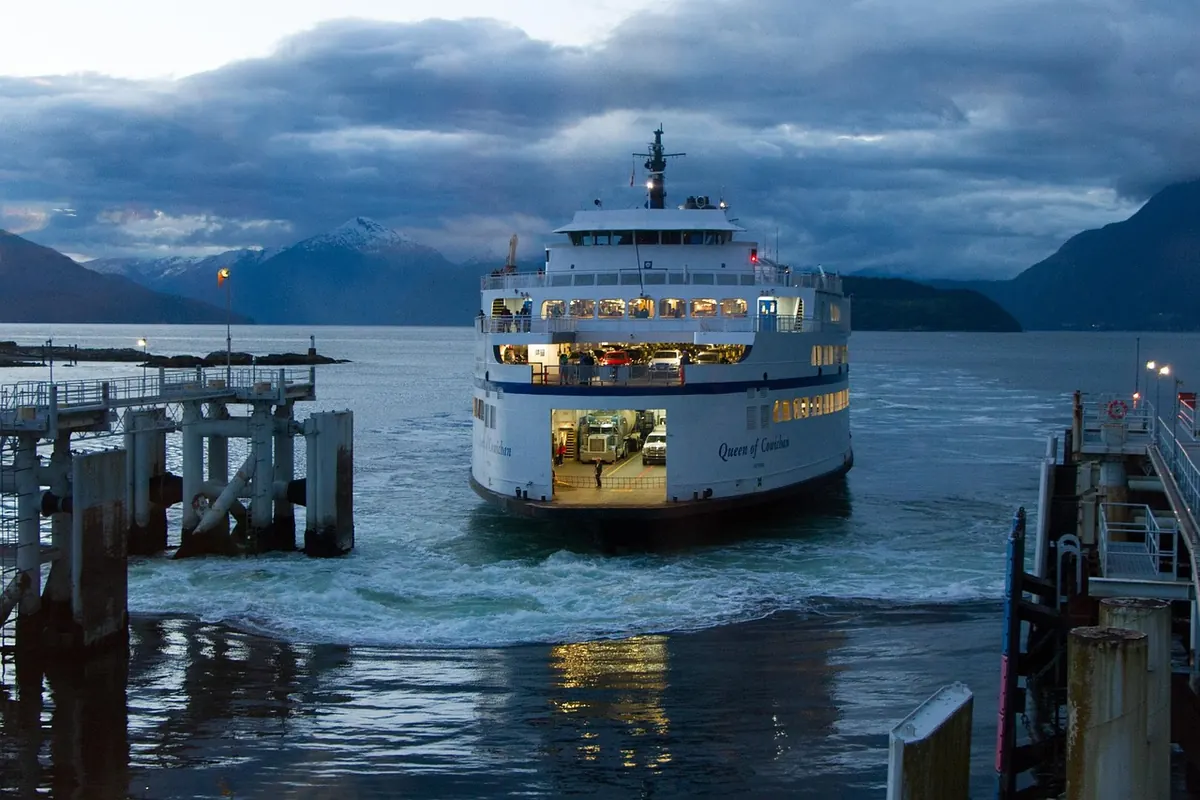
Photo: KAMcMillan / Pixabay